


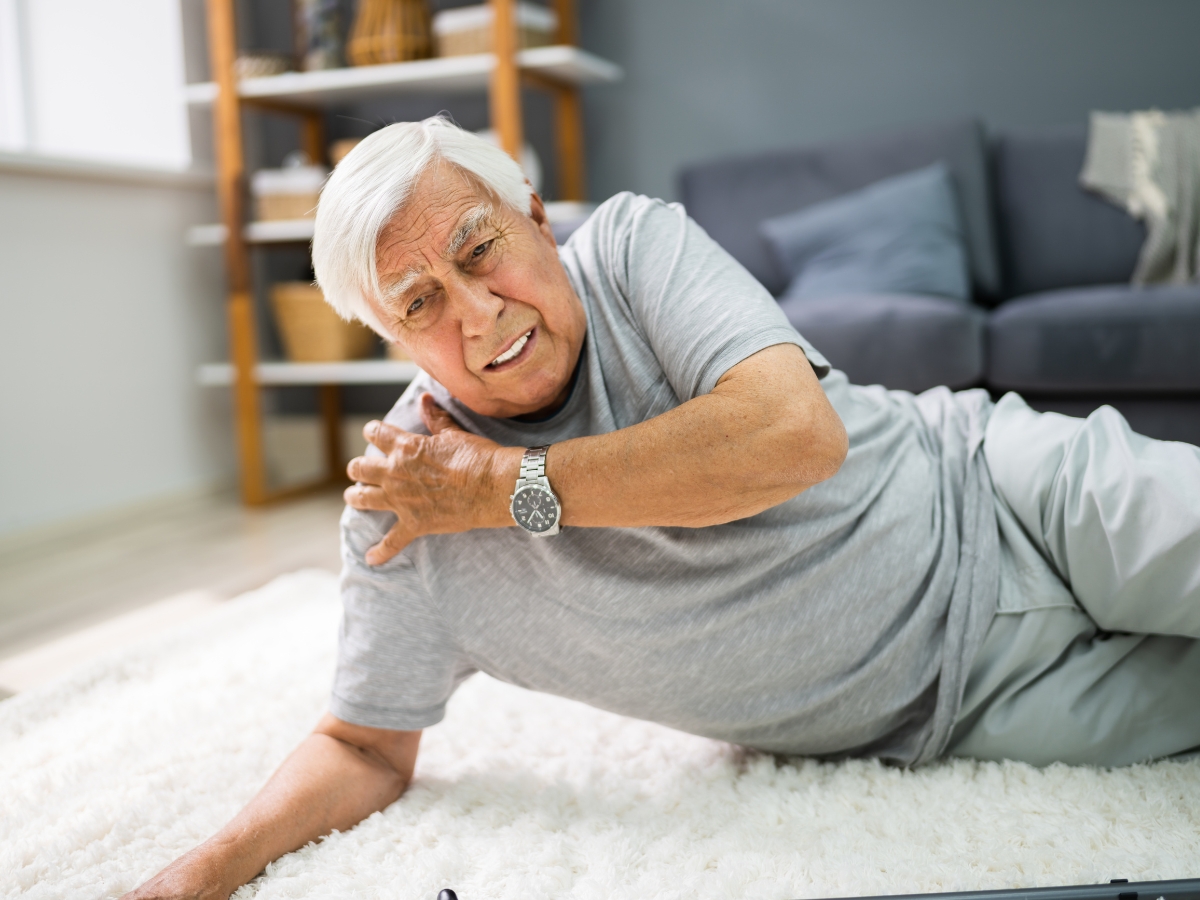
Falls represent one of the most serious health risks for adults over 65. Every year, one in four older adults experiences a fall. These incidents often lead to injuries that change lives forever. The good news is that most falls are preventable with the right knowledge and precautions. Plus, taking steps to prevent falls helps maintain your independence and quality of life. So, what should you know? Here are your Spring Hill chiropractor’s top bits of info and advice.
1. Your Home Contains Hidden Fall Hazards
Surprisingly, most falls happen in familiar surroundings where you feel most comfortable. Loose rugs create tripping hazards even in well-traveled hallways. Electrical cords stretching across walkways pose serious risks. Cluttered floors and poor lighting multiply these dangers, especially during nighttime trips.
Bathrooms, in particular, often have slippery surfaces and tight spaces. Stairs without proper railings become increasingly dangerous with age. Even beloved pets can inadvertently cause falls by getting underfoot. Identifying these hazards is the first step toward creating a safer living environment. From there, you can determine ways to lower these risks.
2. Medications Affect Your Balance More Than You Think
Many common medications increase fall risk through various side effects. Blood pressure medications can cause dizziness when standing up too quickly. Sleep aids and anxiety medications affect coordination and reaction times. Pain medications may cloud judgment and slow physical responses.
Taking multiple medications compounds these effects significantly. Drug interactions can create unexpected balance problems or confusion. Regular medication reviews with your doctor help identify problematic combinations. However, never stop taking prescribed medications without medical guidance, but do discuss concerns openly.
3. Vision Changes Dramatically Impact Fall Risk
Age-related vision changes affect depth perception and spatial awareness. Cataracts create cloudy areas that obscure obstacles in your path. Glaucoma reduces peripheral vision, making side hazards harder to detect. Even outdated eyeglass prescriptions contribute to misjudging distances and steps.
Transitioning between different lighting conditions also becomes more challenging with age. Moving from bright sunlight to dim interiors temporarily impairs vision. Bifocals and progressive lenses require extra caution on stairs. Yet, regular eye exams can help catch problems early and ensure prescriptions stay current. So, don’t skip that next one!
4. Your Footwear Choices Matter More Than Style
Proper footwear provides essential support and traction for fall prevention. Worn-out soles lose their grip on smooth surfaces. High heels and narrow shoes compromise stability and balance.
At the end of the day, well-fitting shoes with non-slip soles reduce fall risk significantly. Low, wide heels provide better stability than completely flat shoes. Properly tied laces prevent tripping over loose footwear. Indoor shoes help avoid walking in socks on slippery floors. In other words, get shoes that fit, are comfortable, and have proper grip! This not only prevents falls but also affects your entire spinal alignment, preventing aches and pains down the road.
5. Chronic Conditions Require Extra Fall Prevention Strategies
Certain health conditions inherently increase fall risk beyond normal aging. For instance, diabetes can cause numbness in the feet, reducing sensation and balance feedback. Additionally, arthritis creates joint pain and stiffness that affects normal movement patterns. Heart conditions may cause sudden dizziness or weakness.
Parkinson’s disease and stroke further alter movement control and coordination. Cognitive changes from dementia affect judgment about safe movements. Thus, managing these conditions is vital for reducing your fall risk.
How Your Chiropractor Can Support Fall Prevention
Falls aren’t just accidents—they’re often the result of poor balance, joint stiffness, and muscle weakness. Chiropractic care targets these issues at their root.
Spinal misalignment can interfere with your body’s balance and coordination. And this is where chiropractic adjustments can help! Regular adjustments support proper nervous system function, helping you react more effectively to slips or uneven ground. Chiropractic care also improves joint mobility, reducing stiffness and allowing for smoother, more confident movement.
Take a proactive step before a fall happens today. Your Spring Hill and Colombia chiropractors at Premier Chiropractic are here to help. Book an appointment for a personalized fall risk assessment and care plan. Let us help you move forward with confidence!
